
Sedona doesn’t reveal itself all at once. The dramatic red rock landscape, the mystical vortex energy, the wellness culture, the dining and the wine, visitors come for one thing and end up staying for ten. Here’s how locals actually spend their time, and what we tell first-time visitors when they ask what they shouldn’t miss.
Local Editors’ Top Picks
Three You Shouldn’t Miss
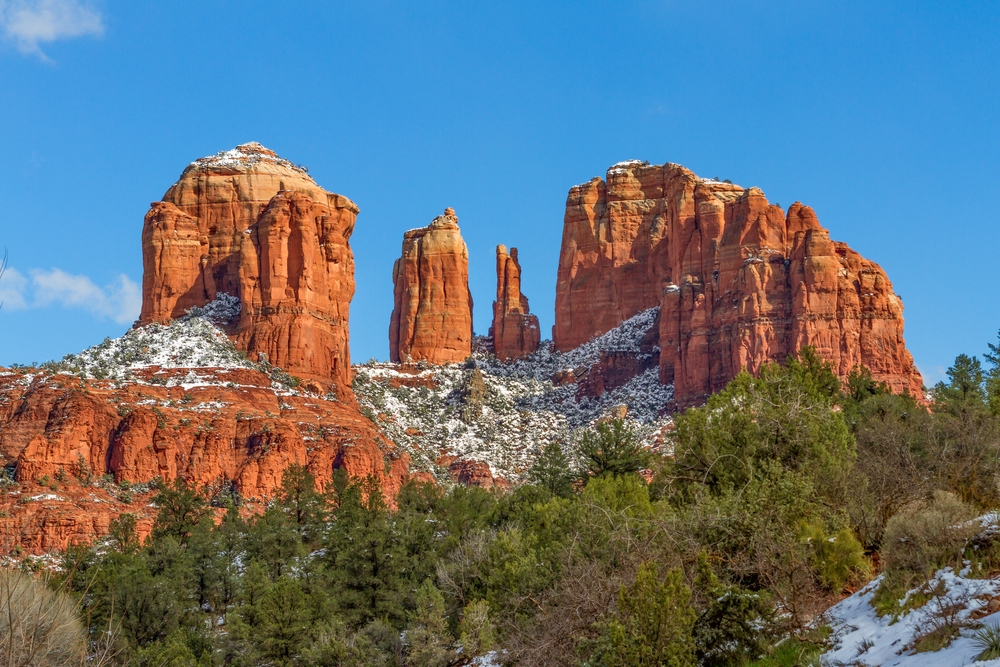
Catch first light at Cathedral Rock
Cathedral Rock at sunset is one of the most photographed views in Arizona, and it shows. The crowds, the cars, the drone buzz can take a beautiful place and make it feel like a theme park line. Come at sunrise instead. The light builds for about 20 minutes after first glow, the temperature is friendly, and you’ll often have it nearly to yourself. For a hike, the Cathedral Rock Trail goes up to the saddle in under a mile (it’s steep). For non-hikers, the view from the Yavapai Vista pullout is unforgettable.
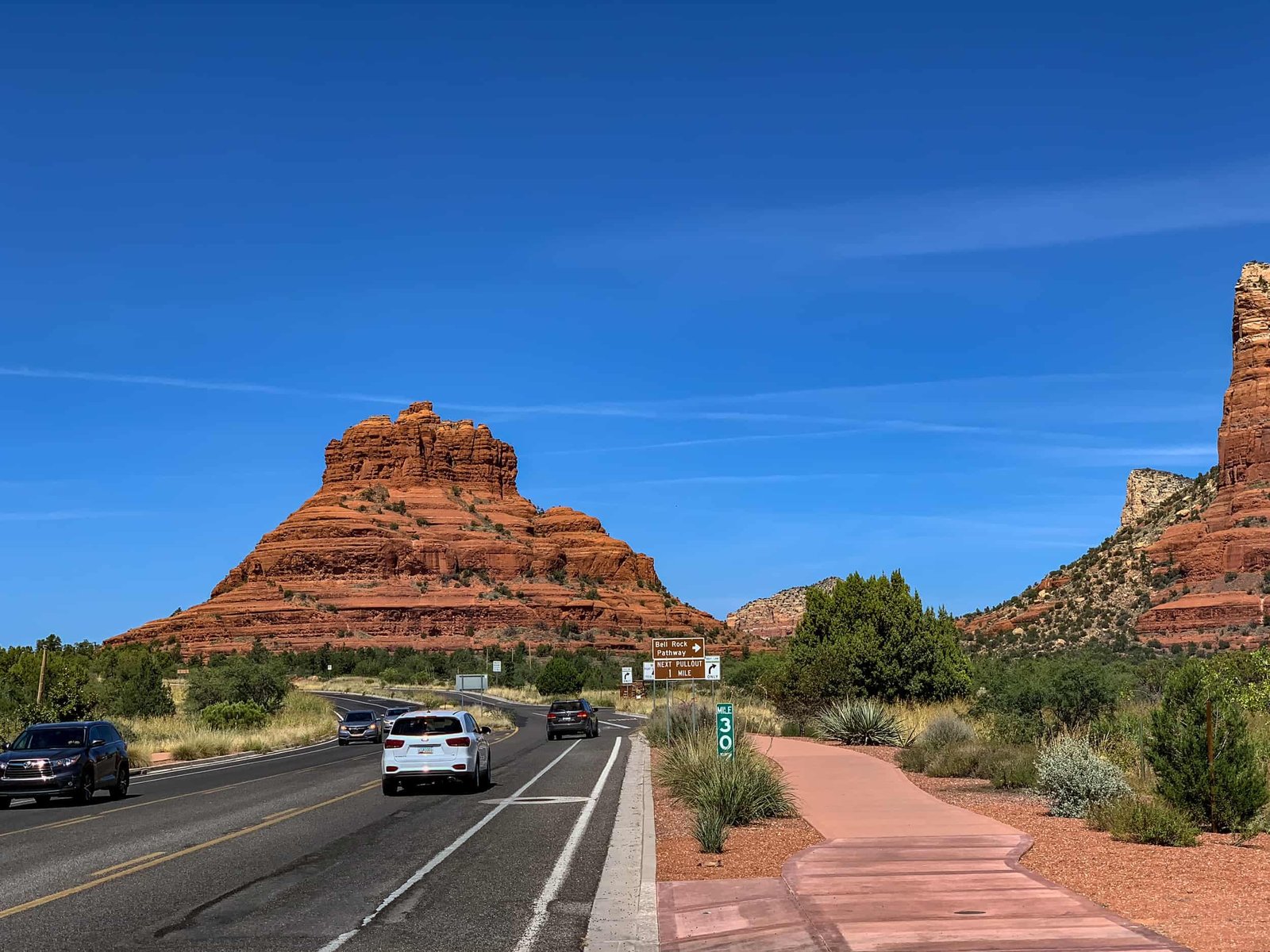
Drive Red Rock Scenic Byway, then pull over
State Route 179, officially the Red Rock All-American Road, runs from I-17 right into the heart of Sedona. It’s one of the most scenic highways in the country, but here’s the surprise: it’s also a working commuter route. Locals drive it fast. To actually see anything, you have to stop. Use the pullouts. Bell Rock Vista, the Courthouse Butte pullout, the Yavapai Vista, even some unmarked dirt shoulders along the way. Park, walk a few steps from the car, and let the scale of the rocks register.
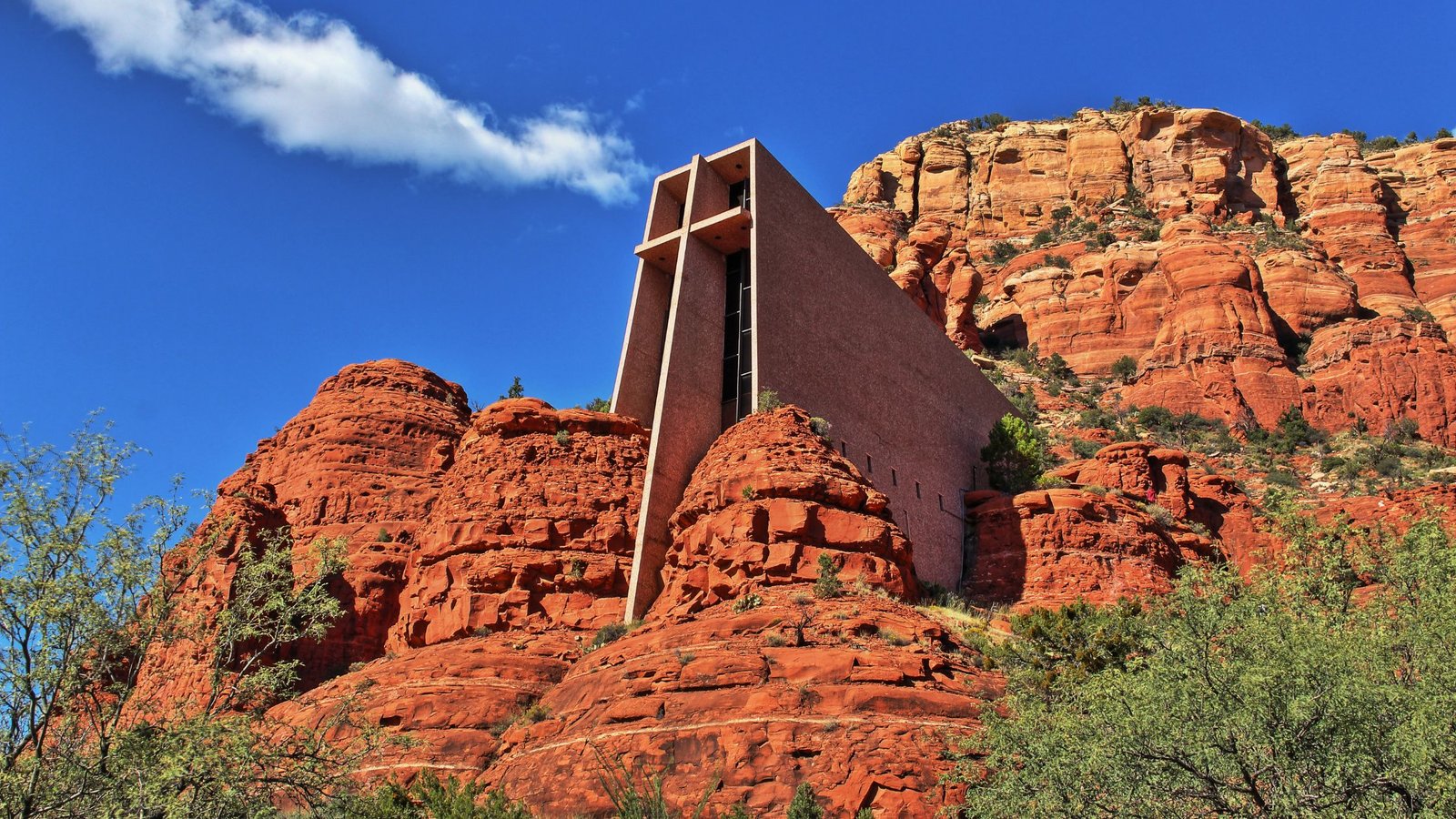
Sit quietly at Chapel of the Holy Cross
Architect Marguerite Brunswig Staude built this chapel into the red rocks in 1956, and it’s been one of Sedona’s most quietly powerful spaces ever since. The chapel itself is small, but the silence and the view through the cross-shaped front window do something most cathedrals can’t. There’s no formal service, you can just sit. Light a candle if you want. Whether you arrived for the architecture, the spirituality, or the photo, plan to stay longer than you expected.
More Locals’ Favorites
Seven More Reasons to Linger
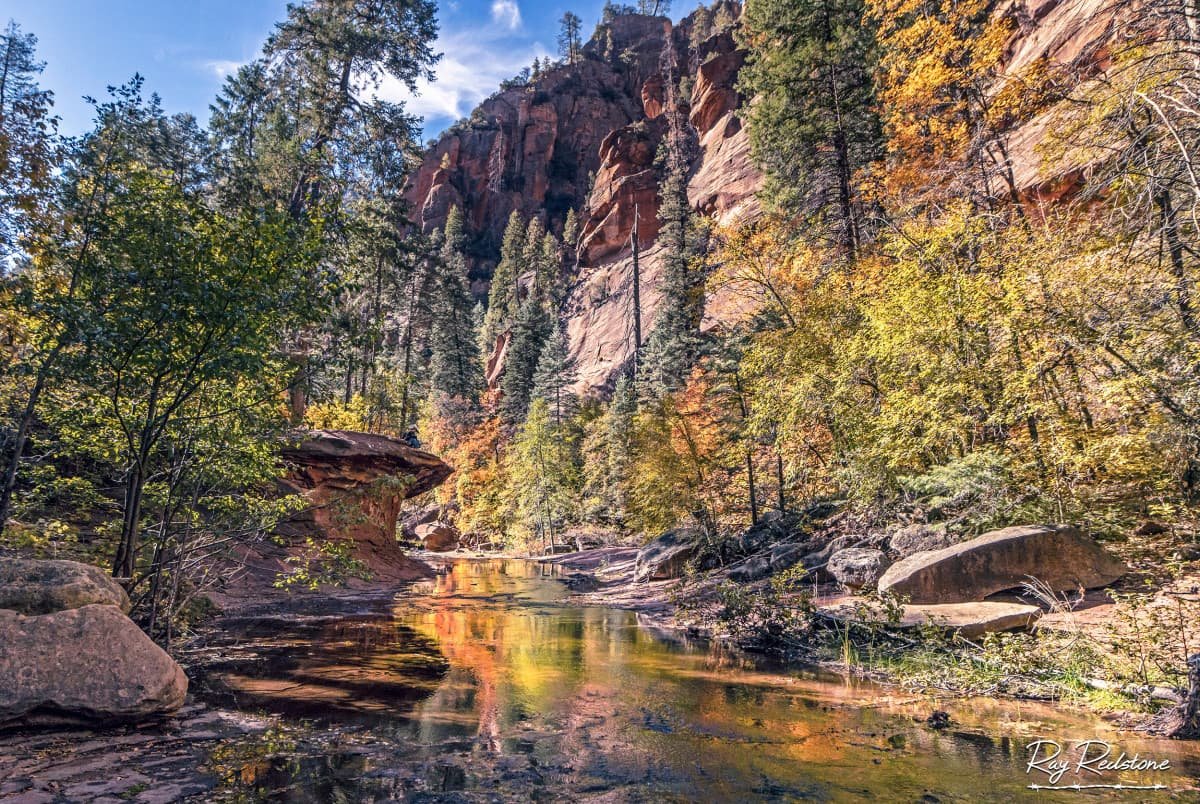
Hike West Fork Trail in Oak Creek Canyon
West Fork is the answer when summer Sedona feels too hot and exposed. The trail winds along the West Fork of Oak Creek through cottonwood and pine canopy, with thirteen creek crossings on stepping stones and small logs. In late October the canyon turns gold and orange in a way the rest of the desert never does. The full hike is about 7 miles round trip, but most people only go about 2 miles before turning around, which is plenty. See more on our Sedona hikes guide.

Eat where the locals eat: Bella Vita Ristorante
Bella Vita has been quietly serving classic Italian in West Sedona for years without chasing the Instagram crowd. The Caesar gets made tableside, the lasagna actually has layers, and the wine list is short and well-chosen. Reservations are a good idea on weekends, but mid-week is easy to walk in. It’s the kind of place locals take their parents when they visit. Browse more favorite Sedona restaurants.
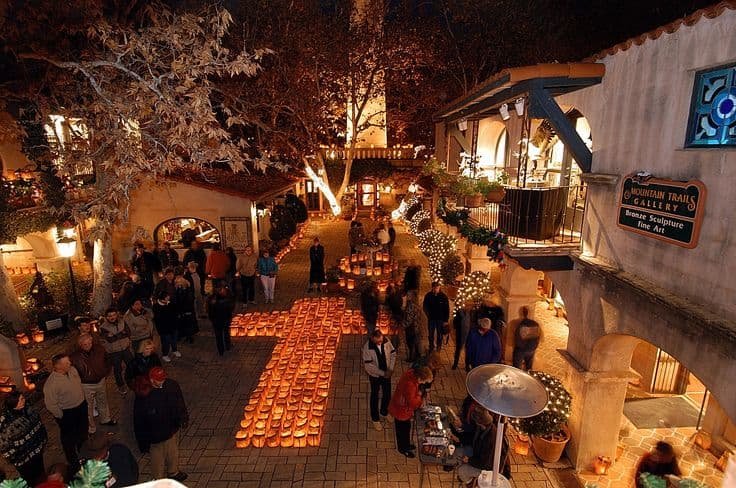
Wander Tlaquepaque at night
Tlaquepaque Arts and Shopping Village was built in 1971 to feel like an old Mexican town, and time has made the trick work. By day it’s a tour bus stop. By night, when most shops are closed and the lanterns are on, it transforms. Walk through the courtyards, sit by one of the fountains, listen for live music drifting from the restaurants that stay open late. It’s also great for stargazing in fall and winter when the trees aren’t blocking the sky.
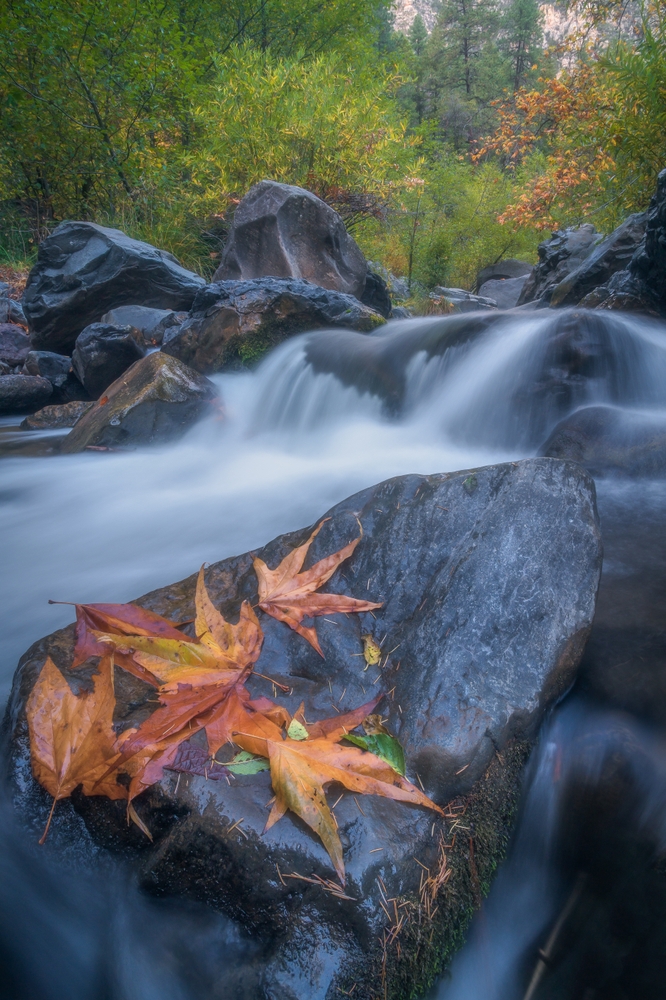
Pull off along Oak Creek and do nothing
Oak Creek Canyon runs north from Sedona toward Flagstaff, climbing through forest and red walls. Most people drive through it to get to the Grand Canyon. Don’t. Pull off at any of the unmarked turnouts, walk down to the creek, and just sit. Drop your feet in the water if it’s summer. Watch the dappled light through the cottonwood. There’s no destination here, which is the entire point.
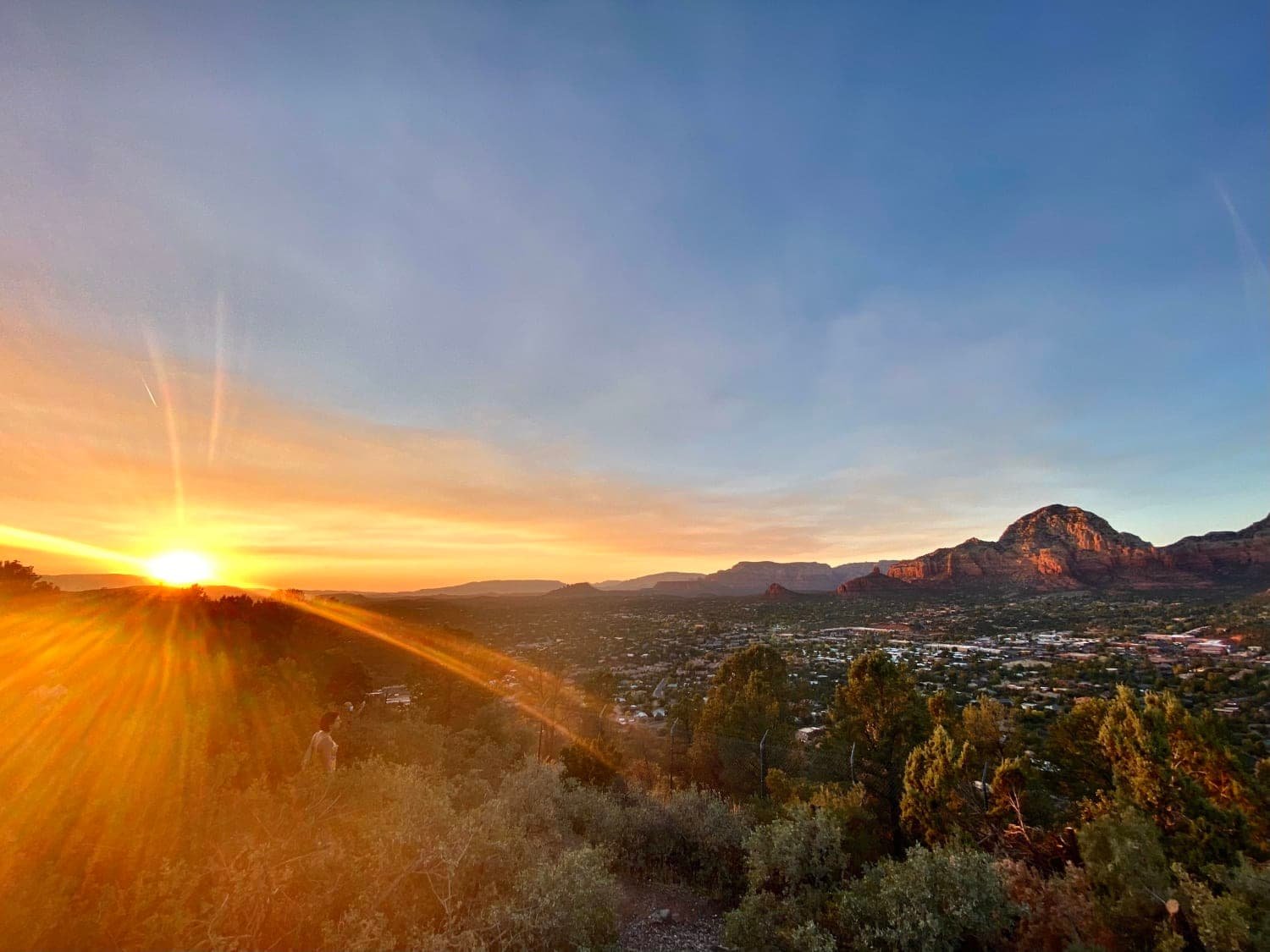
Climb Airport Mesa right before sunset
Airport Mesa sits 500 feet above Sedona and offers a panoramic view of the whole valley. The small parking lot fills up about an hour before sunset, so go a little earlier and snag a spot. The short scramble up to the ridge takes about 10 minutes. After sunset, when most of the crowd has hurried back to their cars, stay another 20 minutes. The afterglow lights the rocks from a different angle entirely. Airport Mesa is also one of Sedona’s four named vortex sites.
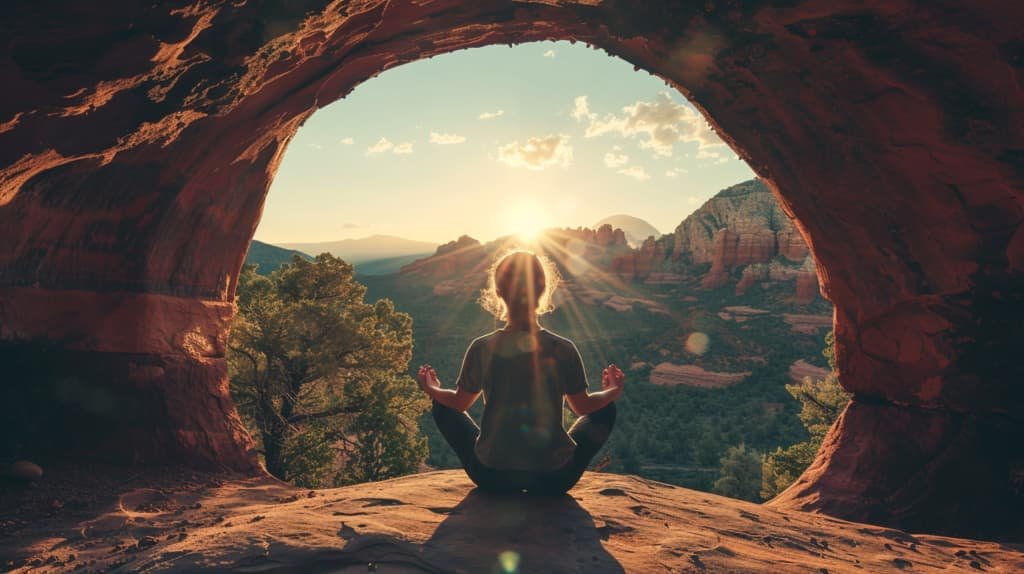
Try a guided vortex or sound healing experience
Sedona’s reputation as a spiritual center isn’t marketing, it’s a culture. Local guides offer everything from straightforward vortex walks to sound bath ceremonies, chakra balancing, and crystal sessions. Quality varies enormously, so ask for referrals at your hotel or check reviews carefully. A good guide doesn’t sell you on belief, they create space for whatever you bring with you. Sessions typically run 60 to 90 minutes.
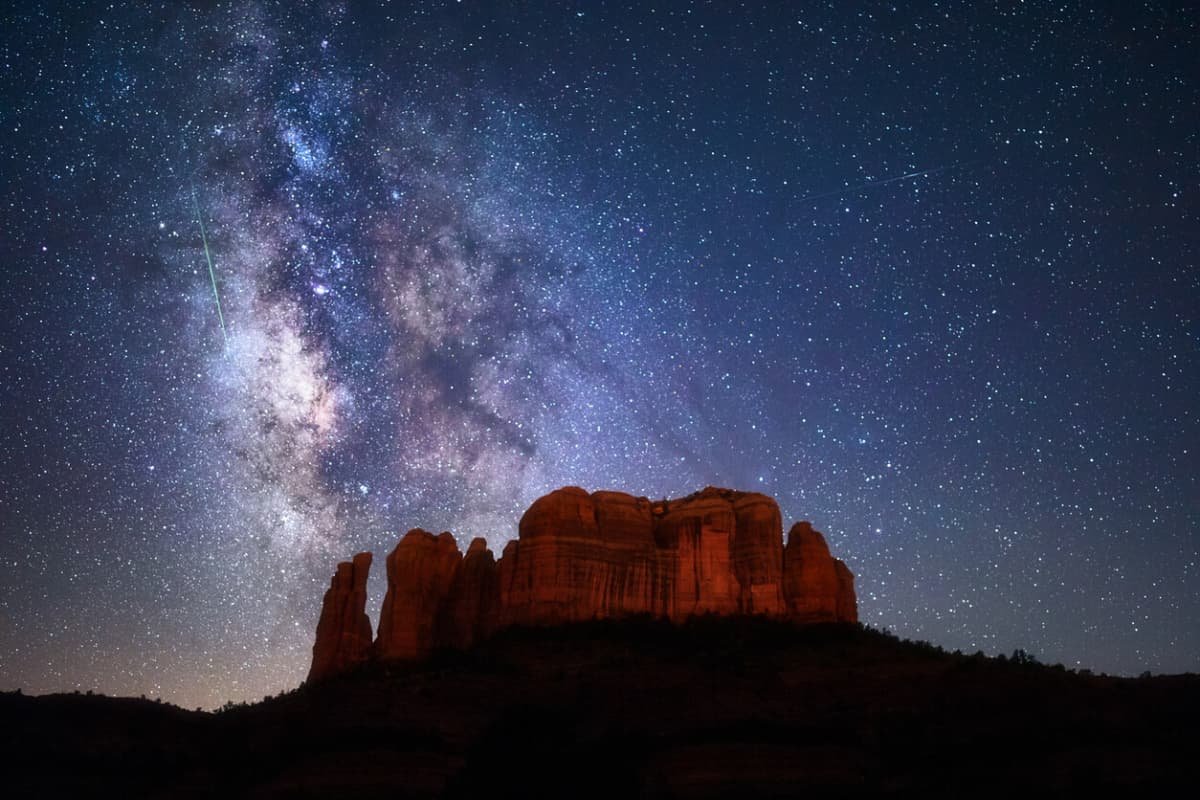
Step out under the stars somewhere away from town
Sedona has been a designated International Dark Sky Community since 2014, which means the city actively limits light pollution. Drive 5 minutes outside town in almost any direction, find a turnout, kill the engine, and look up. The Milky Way is visible most clear nights from April through September. If you have a phone with a night-mode camera, even a 10-second exposure captures stars you can’t see with the naked eye. Stargazing tours with telescopes are also available year round.
Outdoor Adventure at Every Level
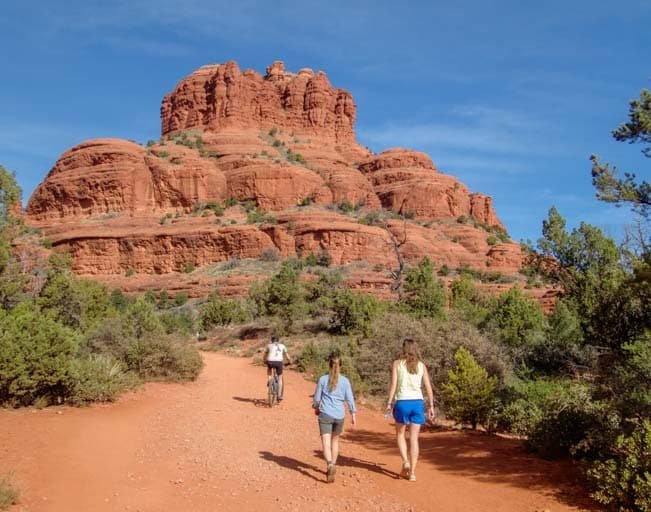
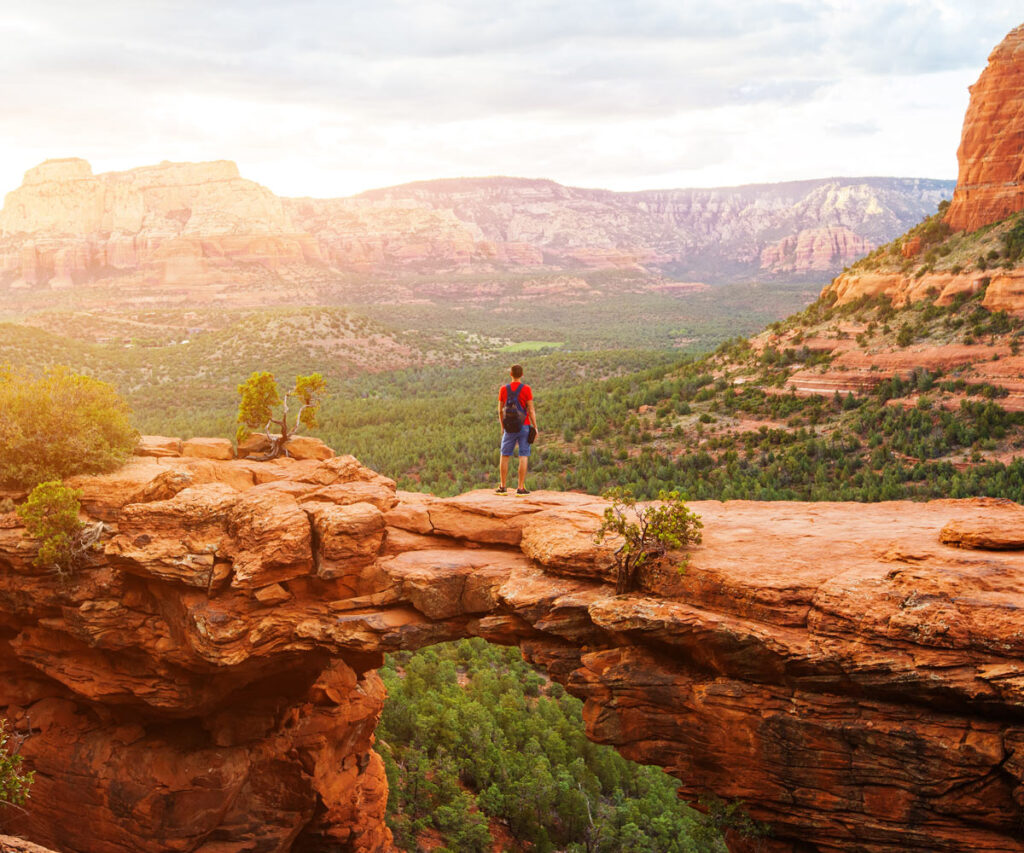
Sedona’s red rock landscape is one of the most dramatic natural settings in North America, and the outdoor activities here match the scenery. Hikers of every ability level will find their perfect trail, from the easy paved Bell Rock Pathway that winds through the Village of Oak Creek, to the challenging but rewarding West Fork Trail along the shaded banks of Oak Creek Canyon. For something truly unforgettable, the hike out to Devil’s Bridge delivers one of the most iconic views in Arizona: a natural sandstone arch perched high above the canyon floor.
Prefer two wheels to two feet? Sedona’s mountain biking trails are world-famous, drawing riders from across the country to routes like Hangover Trail and the Hiline. And if you want to go off-road without pedaling, Pink Jeep Tours and other guided Jeep outfits will take you to places no rental car will get you.
Arts, Culture, and Local Flavor
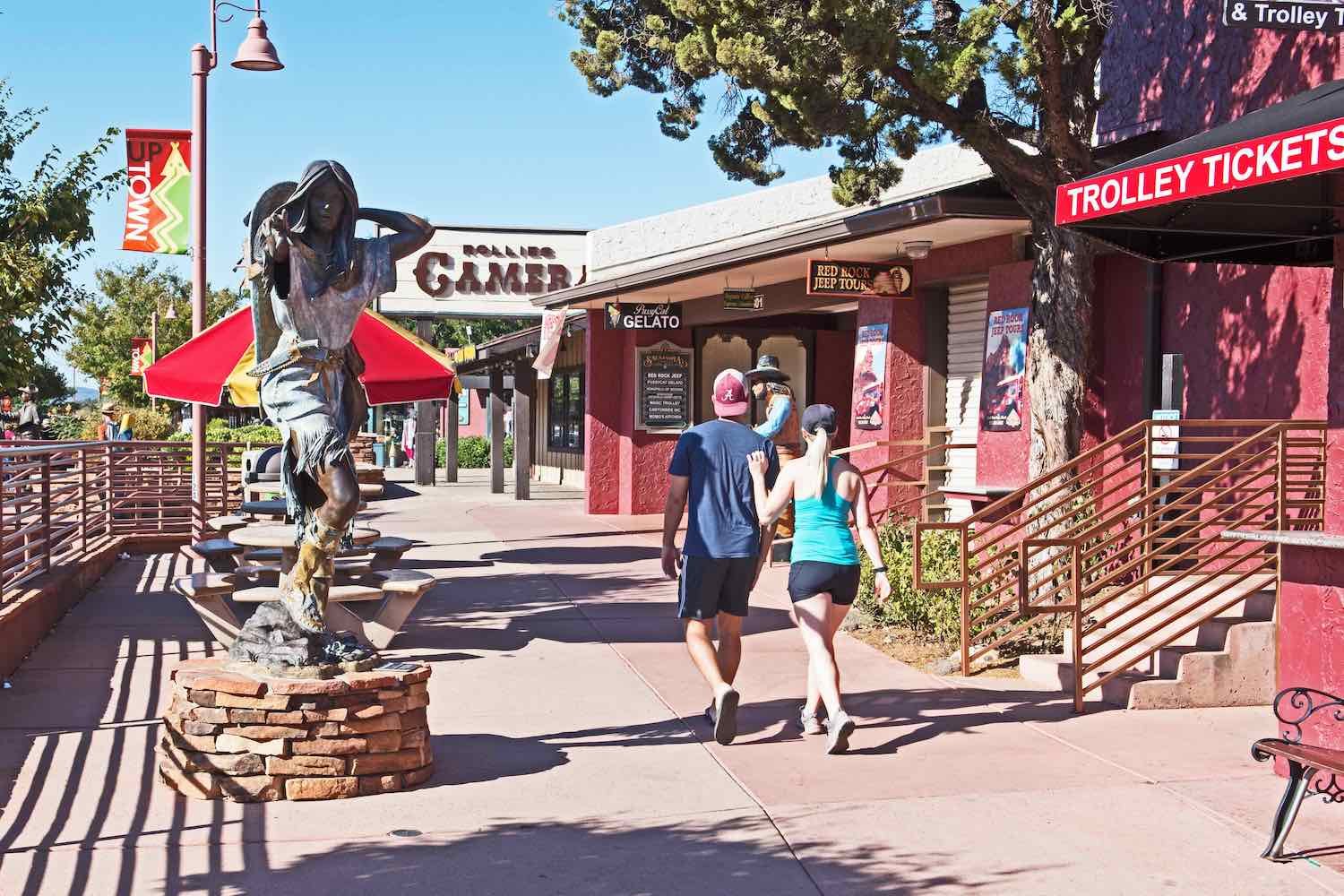
Sedona has long been a magnet for artists, and it shows. The town is home to dozens of galleries featuring work ranging from traditional Western landscapes to contemporary abstract pieces inspired by the red rock formations. Tlaquepaque Arts and Shopping Village is the standout, a beautifully designed outdoor complex of studios, galleries, and boutiques set among flowering courtyards and fountains.
For food lovers, Sedona’s restaurant scene punches well above its size. From casual creekside spots to award-winning fine dining with panoramic canyon views, the options are deep. No visit is complete without exploring the local wines either, the Verde Valley wine region just minutes away is one of Arizona’s most exciting wine destinations. Browse our list of the best restaurants in Sedona.
Relaxation and Renewal
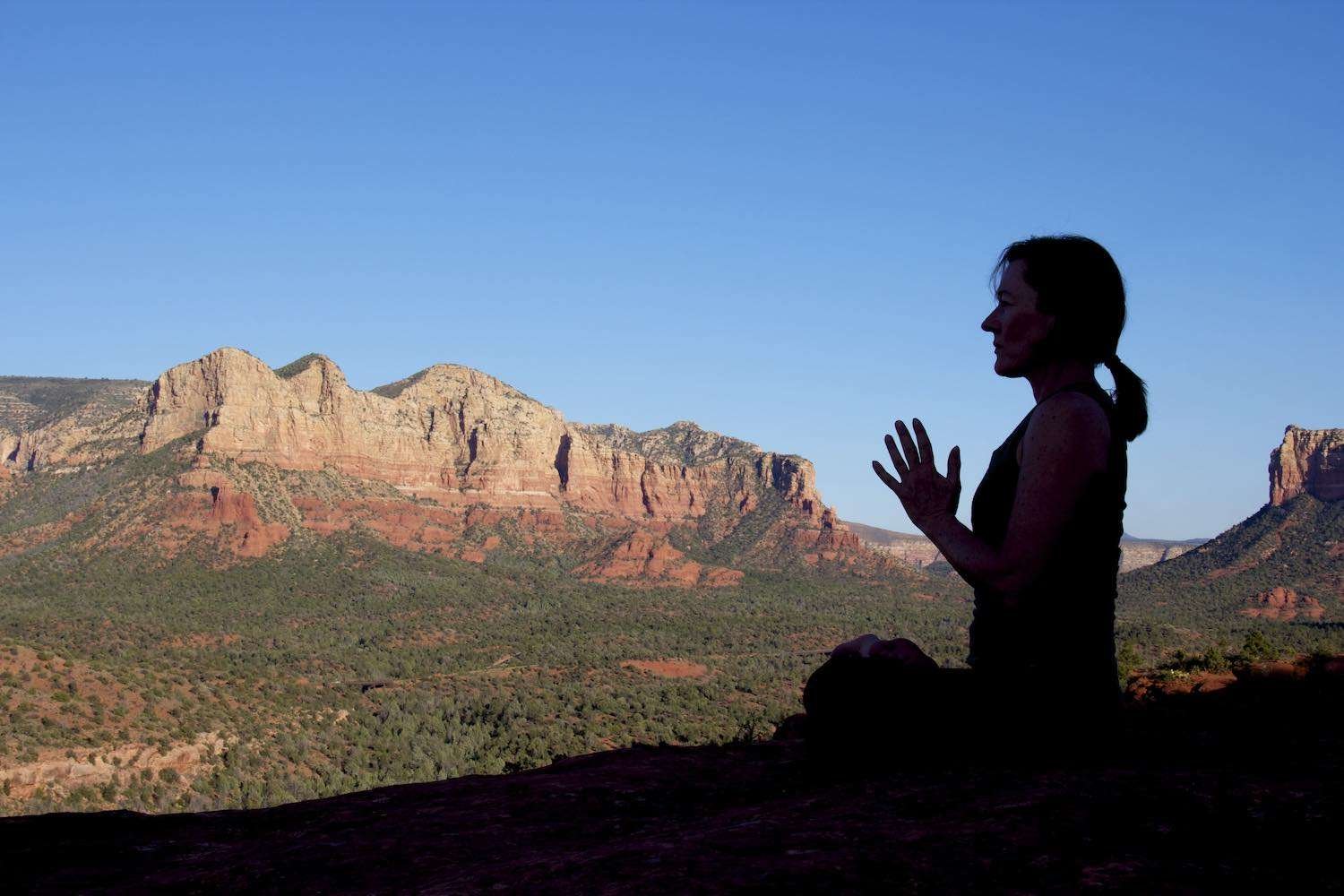
Sedona has built a reputation as a wellness destination for a reason. Day spas here go far beyond the standard menu, with massages, facials, sound baths, and energy work designed around the area’s spiritual culture. Many spas integrate the local landscape into their experience, with treatment rooms overlooking the red rocks or outdoor meditation gardens. End the day with a guided stargazing tour and you’ll understand why people leave Sedona feeling reset.
When to Visit
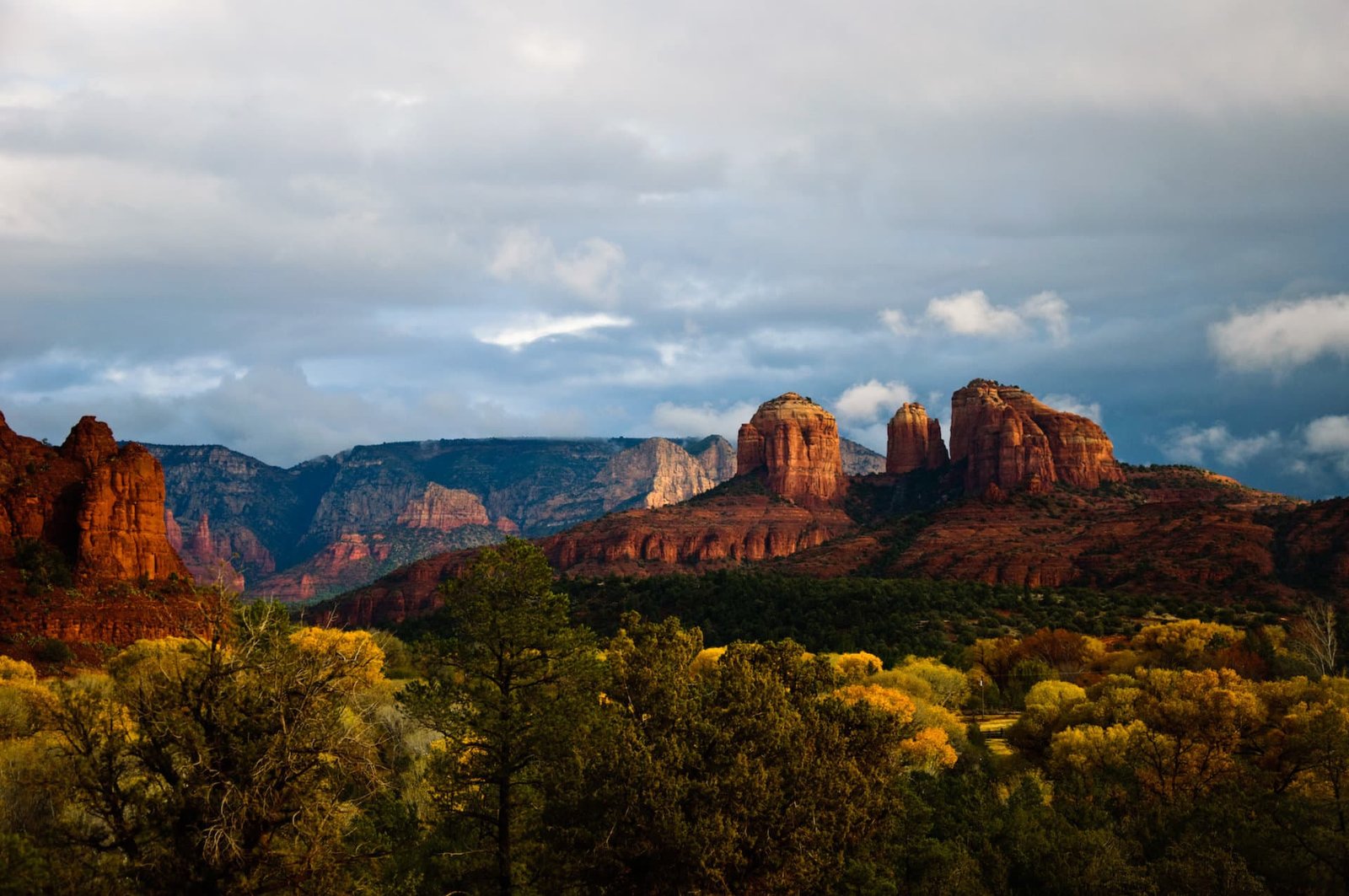
Sedona is beautiful year-round, but spring wildflowers and crisp fall foliage make March through May and September through November particularly spectacular. Summer brings warm temperatures and dramatic monsoon storms that transform the canyons into rushing waterways. Winter is mild and magical, and on the rare occasion that snow dusts the red rocks, the contrast is breathtaking.